
In FPS gaming, most players focus heavily on improving their aim, reaction speed, and movement. While these skills are critical, there is another factor that often gets overlooked but can provide a significant competitive advantage: sound. In games like Valorant, Counter-Strike 2, and Apex Legends, audio cues are just as important as visual information. Being able to hear an enemy before you see them can completely change the outcome of a fight.
Sound positioning, also known as directional audio awareness, allows players to determine where enemies are located based on footsteps, gunfire, reload sounds, and environmental cues. A high-quality FPS gaming headset enhances this ability by delivering clear and accurate audio. Without proper sound clarity, important details can be missed, leading to slower reactions and poor positioning.
Many beginners underestimate the importance of a good headset. They often use basic earphones or low-quality headphones, which can distort sound or make it difficult to distinguish direction. This puts them at a disadvantage, especially in competitive matches where small details matter.
Another important factor is consistency. Just like aim relies on muscle memory, sound awareness relies on familiarity. A reliable headset allows you to recognize audio patterns and react faster over time. If your audio is inconsistent, it becomes harder to build that awareness.
Comfort also plays a major role. FPS gaming sessions can last for hours, and an uncomfortable headset can cause fatigue, reducing your focus and performance. A well-designed headset ensures that you can stay comfortable while maintaining full concentration.
In this guide, we will break down what makes a gaming headset suitable for FPS games, how sound positioning works, and how to choose the right headset for your setup. Instead of focusing on brand hype or marketing, we will focus on real performance factors that actually impact gameplay.
Top Picks (Sound Profiles Explained)


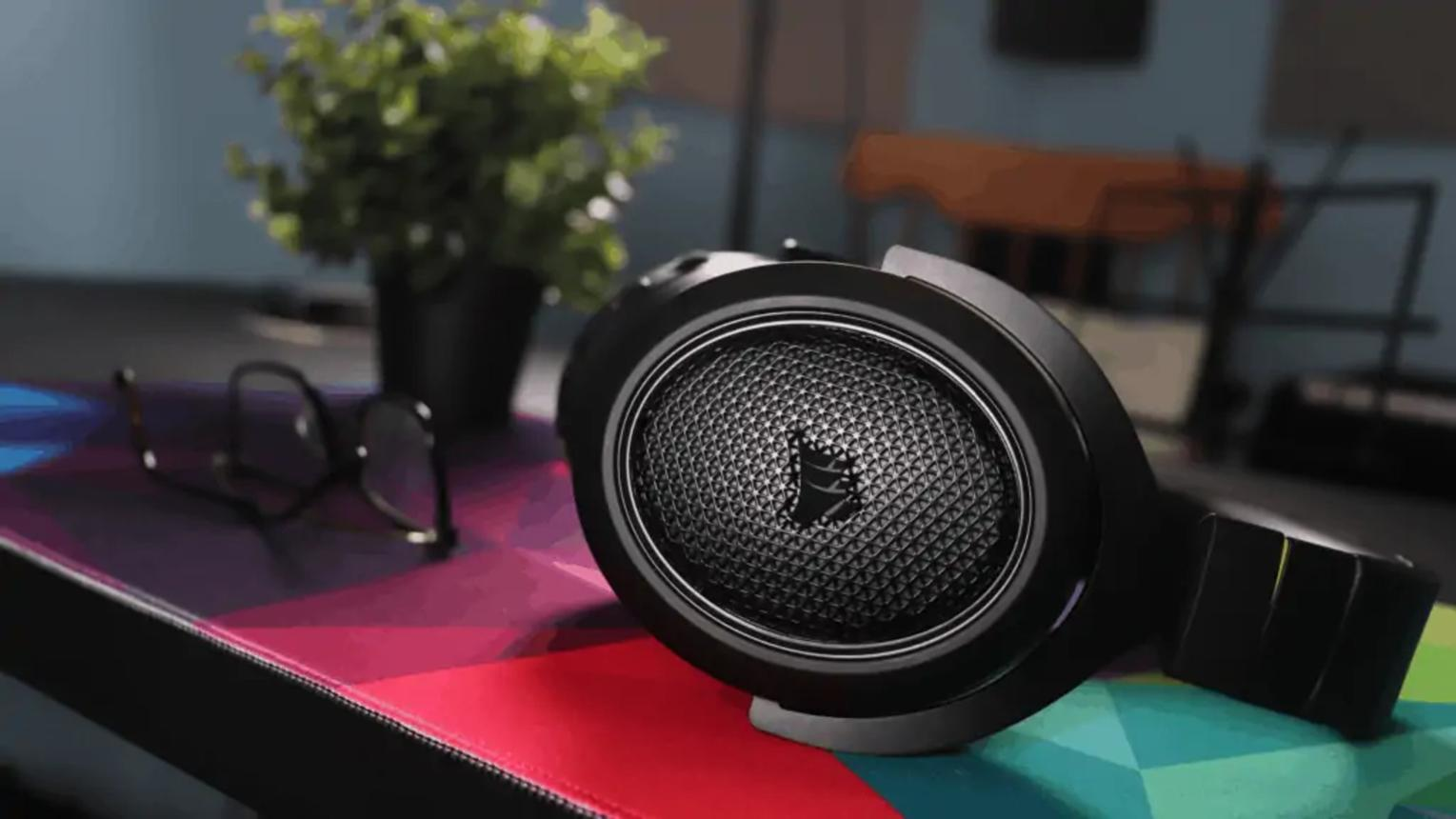
Open-Back Headsets (Best for Accuracy)
Open-back headsets are known for their natural soundstage. This means they create a wider and more realistic audio environment, making it easier to detect the direction and distance of sounds.
For FPS players, this provides a major advantage:
- Better enemy positioning
- More accurate distance perception
- Clear separation of audio layers
However, they do not block outside noise, which may be a disadvantage in noisy environments.
Closed-Back Headsets (Best for Focus)
Closed-back headsets isolate external noise, allowing you to focus entirely on the game. This can be helpful if you play in a loud environment.
They offer:
- Strong bass and impact
- Better isolation
- More immersive experience
However, the soundstage is usually narrower compared to open-back designs.
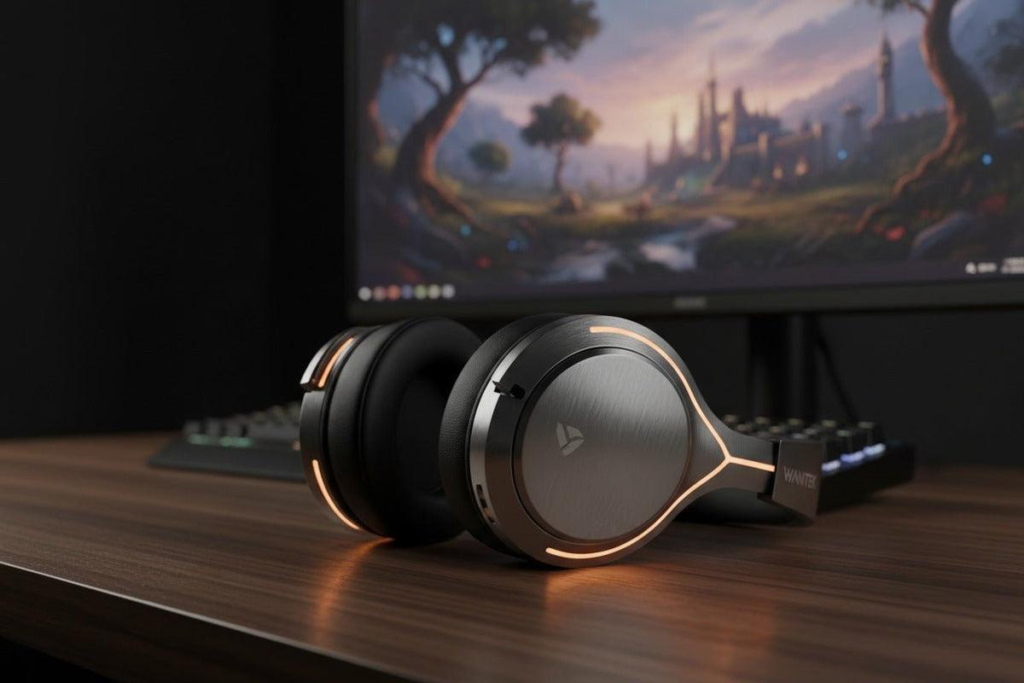
Balanced Sound Headsets (Best Overall)
Some headsets are tuned to provide a balance between clarity and immersion. These are ideal for players who want both competitive performance and enjoyable sound.
Why It Matters for FPS


Sound plays a critical role in FPS games, often providing information that visuals cannot.
First, footsteps reveal enemy movement. A good headset allows you to hear subtle differences in direction and distance. This helps you predict enemy positions before they appear.
Second, gunfire provides context. You can determine whether a fight is close or far away, allowing you to make better decisions.
Third, environmental sounds add depth. Doors opening, abilities being used, and reload sounds all provide valuable information.
Fourth, reaction time improves. Hearing an enemy before seeing them gives you extra time to prepare your aim.
Finally, positioning becomes easier. Sound allows you to move strategically rather than reacting blindly.
Pros and Cons
Pros
- Improves enemy detection
- Enhances positioning awareness
- Increases reaction speed
- Supports consistent gameplay
Cons
- Requires adjustment to sound cues
- Higher-quality audio may take time to get used to
- Personal preference affects sound perception
Buying Guide


When choosing a headset for FPS gaming, focus on these key factors:
1. Sound Clarity Over Bass
Avoid headsets with excessive bass. Clear mids and highs are more important for detecting footsteps.
2. Soundstage
A wider soundstage helps with directional accuracy.
3. Comfort
Look for lightweight designs with soft ear cushions.
4. Microphone Quality
Clear communication is important for team-based FPS games.
5. Durability
A well-built headset will last longer and maintain consistent performance.
Connection to Full FPS Setup
A headset is one part of a complete FPS system.
Your mouse controls your aim.
Your keyboard controls your movement.
Your mousepad affects your consistency.
Your headset provides awareness.
Your desk setup supports everything.
If one part is weak, your overall performance suffers.
Real Gameplay Impact
In real matches, sound awareness often determines who reacts first.
Imagine hearing footsteps approaching from behind. With a good headset, you can turn, pre-aim, and prepare before the enemy appears. Without it, you may only react after seeing them, which is often too late.
Over time, this advantage compounds. Players with better sound awareness consistently make better decisions, leading to improved performance.
Conclusion
In FPS gaming, sound is not just an additional feature—it is a core part of gameplay. A good gaming headset allows you to detect enemies earlier, react faster, and position yourself more effectively.
While aim and movement are essential, they are only part of the equation. Sound awareness completes the system, allowing you to perform at a higher level.
The key is to choose a headset that prioritizes clarity, comfort, and consistency. With the right setup, you can gain a significant advantage and improve your overall gameplay experience.
답글 남기기