

If you use a laptop every day, there’s a high chance your setup is quietly working against you.
Most people place their laptop flat on a desk and start working. It feels normal at first. But after an hour, your neck starts leaning forward. After a few hours, your shoulders tighten. By the end of the day, you feel tired—even if you didn’t do physically demanding work.
This isn’t a motivation problem.
It’s a setup problem.
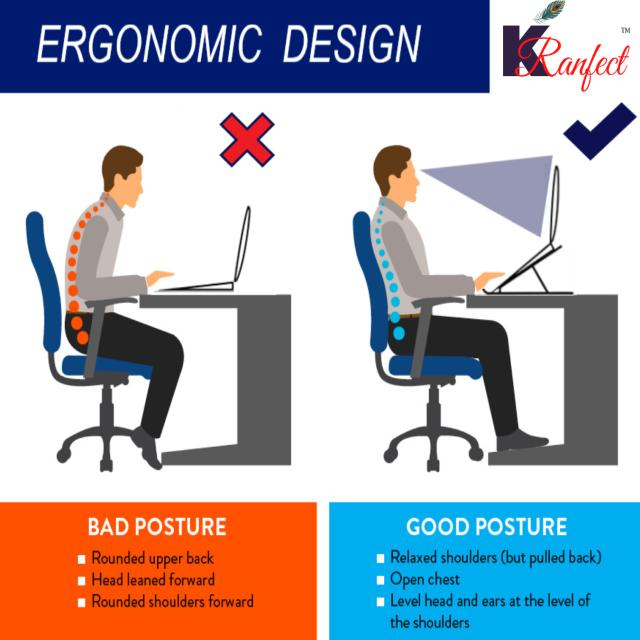
Laptops are designed to be portable, not ergonomic. The screen sits too low, forcing you to look down constantly. Over time, this creates poor posture, fatigue, and reduced focus.
A laptop stand fixes this instantly.
By raising your screen to eye level, it allows your spine to stay in a neutral position. This small adjustment can significantly improve comfort, reduce strain, and help you stay focused longer.
The good news?
You don’t need to spend a lot.
There are excellent laptop stands under $30 that deliver real improvements—if you choose the right type.
This guide is built to help you choose quickly, avoid wasting money, and actually fix your setup.
2. Top Picks (Buyer-Focused)
🥇 Best Overall: Adjustable Aluminum Laptop Stand


If you want one option that works for almost everyone, this is it.
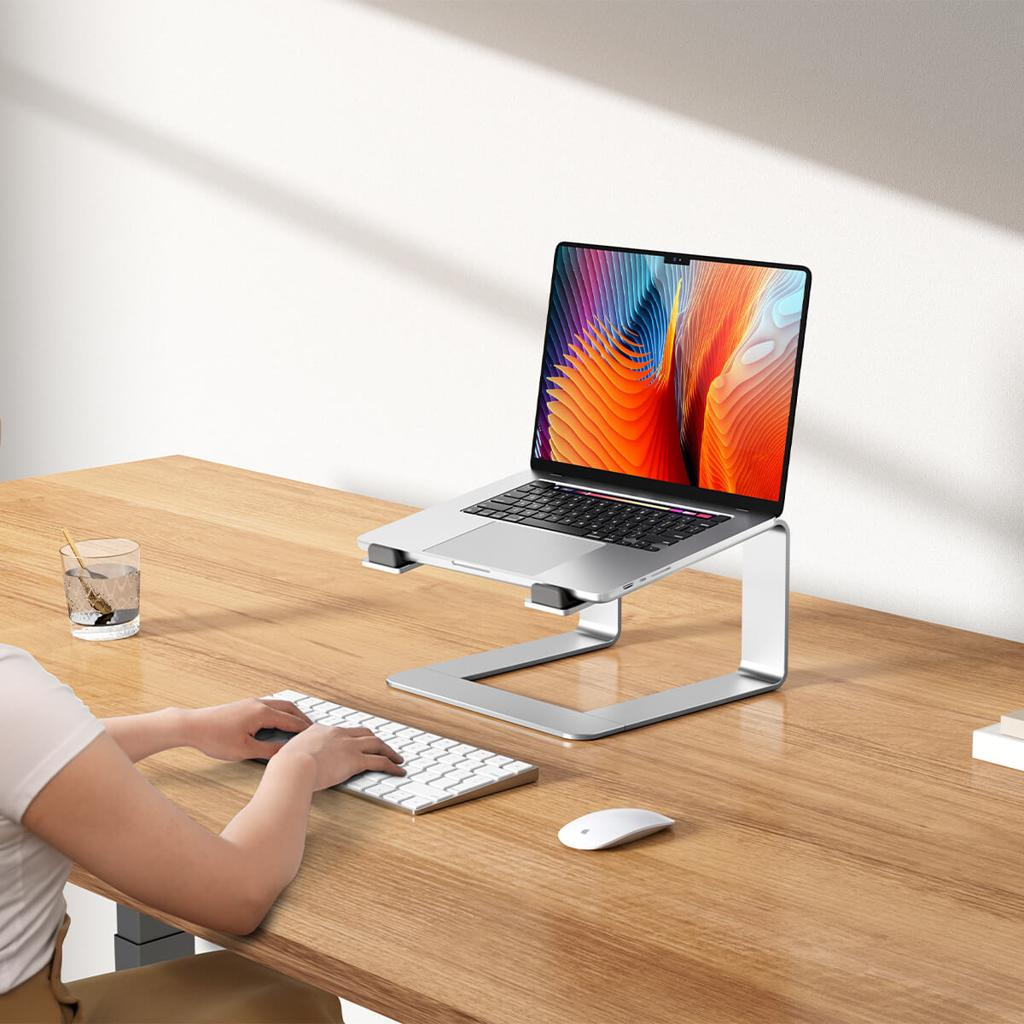
Adjustable aluminum laptop stands are the most balanced choice in this price range. They offer the right mix of stability, flexibility, and durability without unnecessary complexity.
The biggest advantage is adjustability. You can raise your laptop to eye level and tilt it to a comfortable angle. This directly reduces strain on your neck and shoulders during long sessions.
The aluminum build also matters more than people think. It provides better stability compared to plastic stands and helps dissipate heat, which can improve laptop performance over time.
Another benefit is versatility. Whether you’re working, studying, or casually browsing, this type of stand adapts easily to your setup.
The only real trade-off is that you’ll get the best experience when using an external keyboard. This isn’t a downside—it’s simply how ergonomic setups work.
Bottom line:
If you want a reliable, long-term solution, this is the best choice for most people.
🥈 Best for Portability: Foldable Laptop Stand


If you work in multiple locations, portability becomes the priority.
Foldable laptop stands are designed for mobility. They’re lightweight, compact, and easy to carry in a backpack or laptop sleeve. This makes them ideal for cafés, libraries, or travel.
Setup is quick. You take it out, unfold it, and start working within seconds.
However, there’s an important trade-off.
Because they focus on portability, they are usually less stable than fixed aluminum stands. You may notice slight movement when typing, especially on softer surfaces.
That doesn’t make them bad—it just means they serve a different purpose.
Best for:
- Remote workers who move frequently
- Students studying in different locations
- Anyone needing a lightweight setup
Bottom line:
Perfect as a travel companion, but not the most stable option for a permanent desk setup.
🥉 Best Budget Option: Basic Plastic Laptop Stand


If your goal is to spend as little as possible while still improving your setup, a basic plastic stand is a reasonable starting point.
It provides the core benefit—raising your laptop to a better viewing height. That alone can reduce strain compared to using your laptop flat on a desk.
These stands are lightweight and easy to use, with no setup required.
But there are clear limitations.
Stability is lower compared to metal stands, and adjustability is usually minimal. Over time, durability can also become a concern if used heavily.
Still, for beginners or occasional users, it’s a simple and affordable way to test whether a laptop stand improves your workflow.
Bottom line:
Good for short-term use or testing, but not ideal for long-term daily work.
3. What Actually Matters (Before You Buy)
Most people overcomplicate this. Focus on these four things:
1. Height Adjustment
If it doesn’t raise your screen to eye level, it won’t fix your posture.
2. Stability
A shaky stand becomes frustrating quickly, especially when typing.
3. Material
Aluminum = more stable and better heat management.
Plastic = lighter but less durable.
4. Your Usage Style
- Fixed desk → go for stability
- Travel → go for portability
That’s it. Ignore everything else.
4. Pros and Cons
Pros
- Improves posture immediately
- Reduces neck and shoulder strain
- Increases long-session comfort
- Affordable upgrade
- Works with any laptop
Cons
- External keyboard often needed for best setup
- Cheap models may lack stability
- Portable versions trade stability for size
5. Buying Guide (Simple and Practical)
If you’re unsure what to choose, follow this:
- Work mostly at a desk? → Get an adjustable aluminum stand
- Move around often? → Get a foldable portable stand
- Not sure yet? → Start with a basic budget stand
Also, think about how many hours you use your laptop daily.
If it’s more than 2–3 hours, this is not optional—it’s necessary.
A small investment here can prevent long-term discomfort and improve your overall work experience.
6. Who Should Buy This
You should seriously consider a laptop stand if:
- You work or study daily on a laptop
- You feel neck or shoulder discomfort
- You struggle to stay focused for long periods
- You want a cleaner, more efficient desk setup
If any of these apply, your current setup is likely holding you back.
7. Final Verdict
A laptop stand is one of the highest-impact upgrades you can make for under $30.
It doesn’t just make your desk look better—it fixes a fundamental problem in how laptops are used.
Better posture leads to less fatigue.
Less fatigue leads to better focus.
Better focus leads to more consistent work.
You don’t need a premium product.
You just need the right type for your situation.
Start simple. Choose based on how you actually work.
Once you use it consistently, you’ll notice the difference almost immediately.
And that’s exactly what makes it worth it.
답글 남기기