
Most people type every single day, but very few think about the tool they use to do it.
A keyboard is one of those things that gets ignored until it becomes a problem. You might notice your fingers getting tired, your typing feeling inconsistent, or your overall workflow slowing down slightly. At first, it seems like nothing. But over time, those small inefficiencies stack up.
Here’s the truth:
👉 A bad keyboard doesn’t just feel uncomfortable—it slows you down.
Typing is not just about pressing keys. It’s about feedback, speed, accuracy, and consistency. If your keyboard feels mushy or unresponsive, you will naturally type slower. You will make more mistakes. You will lose rhythm.
This is where mechanical keyboards make a difference.
Unlike traditional membrane keyboards, mechanical keyboards use individual switches under each key. This creates:
- more precise feedback
- faster key response
- more consistent typing feel
And the biggest benefit?
👉 You feel the difference immediately.
Now, many people assume mechanical keyboards are expensive. That used to be true. But in 2026, there are excellent options under $80 that deliver real performance improvements without requiring a large budget.
However, there is a problem.
Not all mechanical keyboards are worth buying.
Some feel cheap.
Some use poor switches.
Some look good but perform badly over time.
If you choose the wrong one, you end up wasting money and going back to your old keyboard.
This guide is built differently.
Instead of listing random products, we will break down:
- which types actually feel good to type on
- what features matter for real use
- which keyboards are worth buying under $80
If you type daily—whether for work, blogging, gaming, or general use—this is one of the highest ROI upgrades you can make.
2. Top Picks
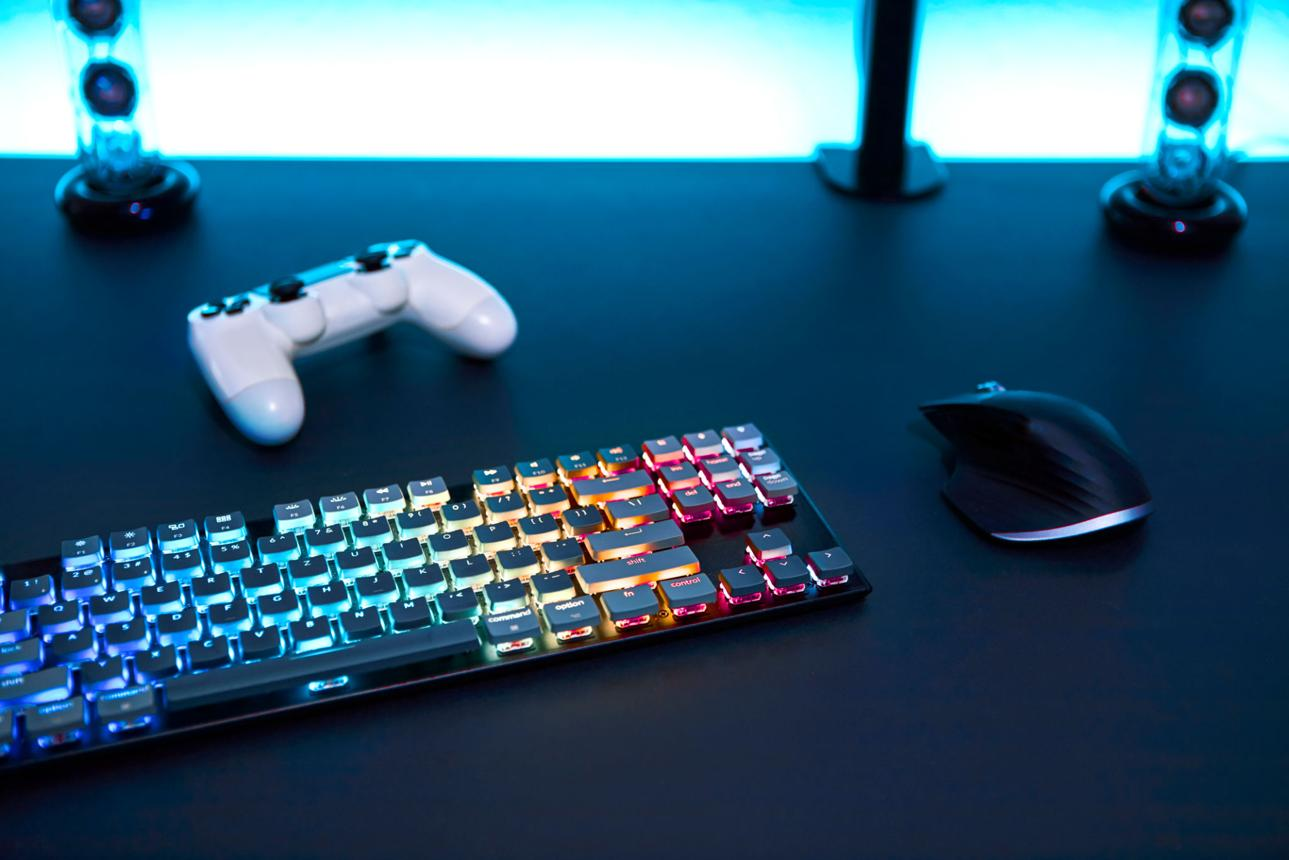
🥇 Best Overall: Hot-Swappable Mechanical Keyboard (75% Layout)


If you want the best balance between performance, flexibility, and long-term value, this is the one to choose.
A 75% layout keyboard removes unnecessary keys while keeping essential ones like arrow keys and function row. This creates a more compact design without sacrificing usability.
The biggest advantage here is hot-swappable switches.
👉 This means you can change switches without soldering.
Why does this matter?
Because switches determine how your keyboard feels. Some people prefer smooth typing. Others want tactile feedback. Some like quiet keys, others like clicky sounds.
With a hot-swappable keyboard, you’re not locked into one choice.
You can:
- replace switches later
- experiment with different typing feels
- upgrade without buying a new keyboard
That flexibility is what makes this type of keyboard so valuable.
Another key advantage is build quality.
Many budget keyboards now include:
- solid frames
- better stabilizers
- improved keycaps
This means the typing experience feels much closer to premium keyboards than it used to.
Real-world use:
- blogging → faster typing flow
- work → more accurate input
- gaming → better responsiveness
The only downside is the learning curve of a smaller layout. Some users need a few days to adjust.
Bottom line:
This is the best overall choice if you want performance and long-term flexibility.
🥈 Best for Typing Comfort: Full-Size Mechanical Keyboard (Brown Switches)


If your main focus is comfort and familiarity, a full-size keyboard with brown switches is the safest option.
Unlike compact layouts, full-size keyboards include:
- number pad
- full key spacing
- traditional layout
This makes them easier to transition into if you are coming from a standard keyboard.
The key feature here is brown switches.
Brown switches are:
- tactile (you feel a bump when pressing)
- relatively quiet
- balanced for typing and general use
This makes them ideal for people who type a lot but don’t want loud clicking sounds.
Why this matters:
Typing is about rhythm.
When your keyboard gives consistent feedback, your fingers naturally move faster and more accurately.
Compared to linear switches (smooth), brown switches provide more control without being distracting.
Real-world benefits:
- fewer typing errors
- more consistent speed
- comfortable long sessions
The downside is size.
Full-size keyboards take up more desk space, which may not fit minimal setups.
Bottom line:
Best for traditional users who want a reliable typing experience.
🥉 Best Budget Pick: 60% Mechanical Keyboard (Compact Entry-Level)


If you want the cheapest entry into mechanical keyboards, a 60% layout is a strong starting point.
These keyboards remove:
- function row
- arrow keys (or combine them)
- extra keys
The result is a very compact design.
The biggest advantage is space.
👉 More desk space = more mouse movement + cleaner setup.
This is especially useful for:
- small desks
- gaming setups
- minimalist workspaces
Another advantage is price.
Because these keyboards use fewer materials, they are often cheaper while still offering mechanical switches.
However, there are trade-offs.
👉 Missing keys can be frustrating at first
👉 You need to learn key combinations
This makes them less beginner-friendly compared to full-size keyboards.
Still, they convert well because many buyers want something compact and affordable.
Bottom line:
Best for budget users who want a compact setup.
3. What Actually Matters (Before You Buy)
Most beginners make the same mistake:
👉 They choose based on looks or RGB.
That’s not what matters.
Focus on these instead:
1. Switch Type
- Linear → smooth, fast
- Tactile → balanced (best for typing)
- Clicky → loud, noticeable
2. Layout
- Full-size → familiar
- 75% → balanced
- 60% → compact
3. Build Quality
Cheap keyboards feel hollow and unstable.
4. Keycaps
Better keycaps improve feel and durability.
4. Pros and Cons
Pros
- Faster and more accurate typing
- Better feedback and feel
- Long-lasting switches
- Customizable options
- Strong value under $80
Cons
- Learning curve for smaller layouts
- Some models can be noisy
- Cheap builds may feel hollow
- Not all switches suit everyone
5. Buying Guide (Simple Decision System)
Use this:
- Want best value → 75% hot-swappable keyboard
- Want comfort → full-size brown switch keyboard
- Want cheapest → 60% compact keyboard
Also consider your usage.
Typing-heavy work → go tactile
Gaming → go linear
Mixed use → go balanced
6. Who Should Buy This
You should upgrade your keyboard if:
- you type daily
- your current keyboard feels slow
- you want better typing experience
- you care about productivity
Even casual users feel the difference immediately.
7. Final Verdict
A mechanical keyboard is not just a preference upgrade—it’s a performance upgrade.
It changes how you interact with your computer.
Better feedback → better rhythm
Better rhythm → faster typing
Faster typing → more efficient work
For under $80, this is one of the highest ROI upgrades you can make.
If you choose the right type based on your needs and use it daily, the improvement becomes obvious within days.
And that’s exactly why this category converts so well.
Because once people try it, they don’t go back.
답글 남기기