Most people don’t realize how much their chair affects their productivity until it starts causing problems.
You sit down to work. Everything feels fine at first. But after an hour, you shift your position. After two hours, your lower back starts to feel tight. By the end of the day, you’re exhausted—not because of the work itself, but because your body has been compensating for poor support.
Here’s the reality:
👉 A bad chair doesn’t just make you uncomfortable.
👉 It reduces your focus, your energy, and your consistency.
And this is exactly why desk chairs are one of the highest-impact upgrades you can make.
Now, many people assume that a good chair has to be expensive. They think you need to spend $300–$500 to get proper support. That’s simply not true anymore.
In 2026, there are excellent desk chairs under $150 that provide:
- proper lumbar support
- adjustable height
- breathable materials
- enough comfort for long sessions
The key is knowing what actually matters—and avoiding cheap chairs that look good but fail in real use.
This guide is not about listing random chairs.
It’s about helping you choose a chair that you’ll actually use every day without discomfort.
If you sit more than 2–3 hours a day, this is not optional.
This is something you should fix as soon as possible.
2. Top Picks
🥇 Best Overall: Mesh Ergonomic Office Chair (Lumbar Support Focus)


If you want one chair that works for most people, this is the safest choice.
Mesh ergonomic chairs are popular for a reason. They provide a balance between comfort, airflow, and support—without overheating during long sessions.
The biggest advantage is lumbar support.
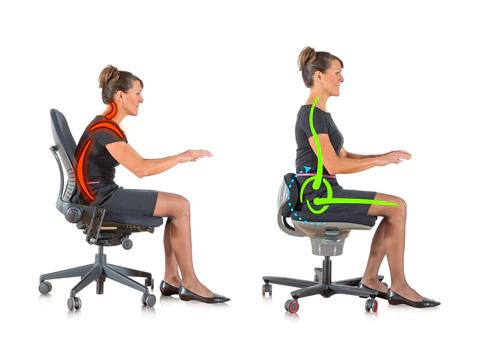
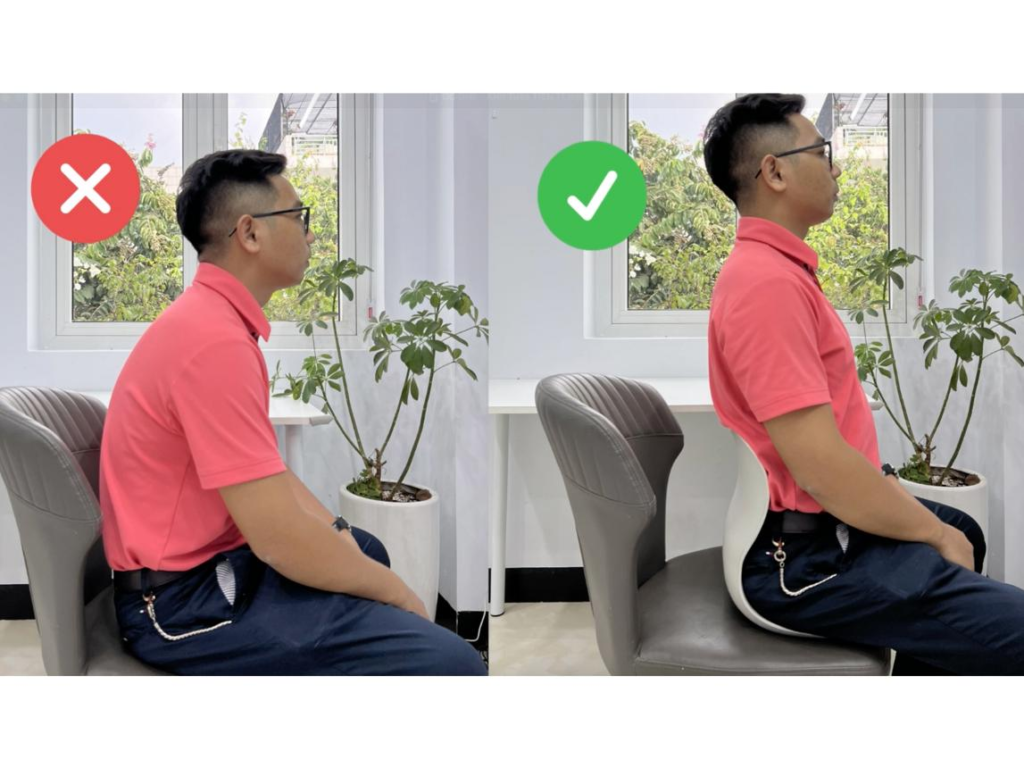
Your lower back needs support to maintain a natural curve. Without it, your posture collapses over time, leading to discomfort and fatigue. This type of chair helps keep your spine aligned, even when you’re sitting for hours.
Another key benefit is breathability.
Unlike padded chairs that trap heat, mesh allows air to flow through your back. This becomes extremely important if you work long hours or live in a warm environment.
Real-world benefits:
- less back fatigue
- more stable posture
- better focus during long sessions
The only downside is that mesh may feel firmer compared to soft cushioned chairs. But that firmness is actually what supports your body properly.
Bottom line:
This is the best choice for daily work and long-term comfort.
🥈 Best for Comfort: Cushioned Executive Chair


If your priority is comfort over structure, this is the better option.
Cushioned executive chairs are designed to feel soft and supportive from the moment you sit down. They are ideal for users who prefer a more relaxed seating experience.
The main advantage is immediate comfort.
The thick padding reduces pressure on your hips and back, making it easier to sit for extended periods without discomfort.
They also usually include high backrests, which provide additional support for your upper back and shoulders.
However, there’s an important trade-off.
Soft chairs can sometimes encourage poor posture if they lack proper structure. Over time, this may reduce the ergonomic benefits.
This doesn’t make them bad—it just means they are better for users who prioritize comfort and casual use rather than strict posture alignment.
Bottom line:
Best for comfort-focused users, but not the most ergonomic long-term.
🥉 Best Budget Option: Basic Task Chair


If you’re working with a tight budget, a basic task chair is a reasonable starting point.
These chairs focus on essential features:
- adjustable height
- simple cushioning
- compact design
They don’t offer advanced ergonomic features, but they are still better than using a random chair or dining chair.
This is important.
👉 Even a basic office chair is a step up from non-office seating.
Real-world use:
- short work sessions
- casual use
- small spaces
However, if you work long hours daily, you will likely outgrow this option quickly.
Durability and long-term comfort are limited compared to better models.
Bottom line:
Good for starting out, but not ideal for heavy daily use.
3. What Actually Matters (Before You Buy)
Most people choose chairs based on looks. That’s a mistake.
Focus on these:
1. Lumbar Support
If your lower back isn’t supported, you will feel it within hours.
2. Adjustability
Height adjustment is essential. Fixed chairs don’t work for everyone.
3. Material
Mesh = breathable
Cushion = soft
Choose based on your environment and preference.
4. Usage Time
- 1–2 hours → basic chair is fine
- 4+ hours → ergonomic support is required
4. Pros and Cons
Pros
- Improves posture
- Reduces back pain
- Increases comfort
- Supports long work sessions
- Affordable options available
Cons
- Good models cost more than basic chairs
- Some chairs require assembly
- Cheap chairs may wear out quickly
- Not all chairs fit every body type
5. Buying Guide (Simple Decision System)
Use this:
- Long work hours → Mesh ergonomic chair
- Comfort priority → Cushioned chair
- Low budget → Basic task chair
Also consider your desk height and space.
A chair that doesn’t fit your desk setup won’t solve your problem.
6. Who Should Buy This
You should upgrade your chair if:
- You sit more than 3 hours daily
- Your back feels tight after work
- You constantly adjust your position
- You lose focus during long sessions
These are signs your current chair is holding you back.
7. Final Verdict
A desk chair is not just furniture.
It directly affects:
- how long you can focus
- how comfortable you feel
- how consistent your work becomes
The right chair removes distractions.
The wrong chair creates them.
You don’t need to spend hundreds of dollars.
Under $150, there are already solid options that can significantly improve your daily experience.
Choose based on how you actually work—not just how the chair looks.
Once you get the right setup, you’ll notice the difference almost immediately.
And that’s exactly why this upgrade is worth it.
답글 남기기