When people think about improving productivity, they often focus on motivation, discipline, or time management. While those factors matter, there is one element that quietly determines how long you can stay focused every single day: your chair. It sounds simple, but in reality, your seating setup directly affects your energy, posture, and overall work performance.
Most beginners underestimate this. They start working from home using a random chair—sometimes even a dining chair or a soft couch. At first, everything feels fine. But after a few days or weeks, problems start to appear. Back pain, shoulder tension, neck stiffness, and constant shifting become part of the routine. What many people do not realize is that these small discomforts slowly destroy concentration.
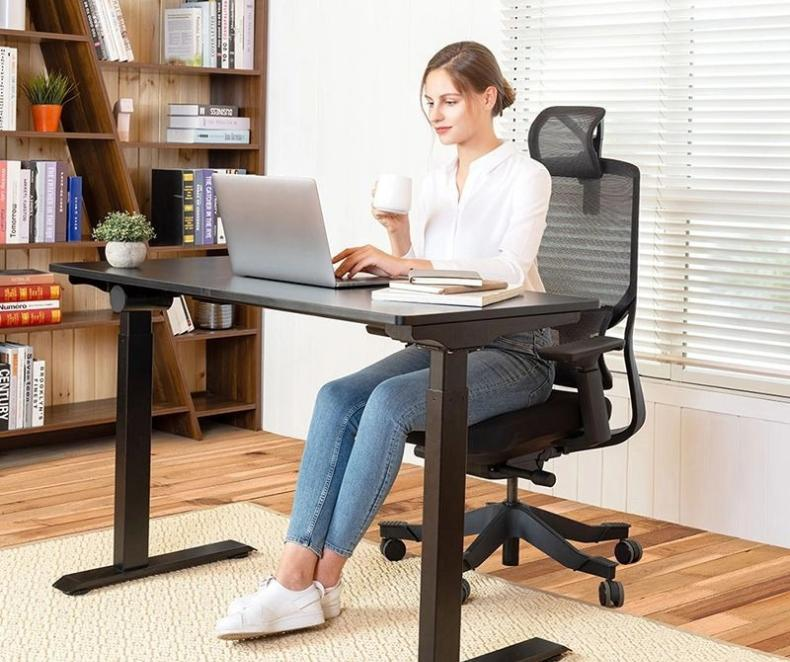
An ergonomic chair solves this problem by supporting your body correctly. Instead of forcing your muscles to constantly adjust, it stabilizes your posture so your mind can focus entirely on the task. This becomes especially important if you are working long hours—whether you are writing blog posts, running an online business, or studying.
The good news is that you do not need to spend hundreds or thousands of dollars to get a quality chair. In 2026, there are many budget-friendly ergonomic chairs under $200 that provide excellent support, adjustability, and comfort. The key is knowing what to look for and choosing the right model for your needs.
In this guide, we will break down the best budget ergonomic chairs, explain their features in detail, compare pros and cons, and help you decide which one fits your setup. If you are serious about productivity, this is one upgrade you should not ignore.
2. Top Picks
1. Best Overall: Hbada Ergonomic Office Chair


The Hbada Ergonomic Office Chair stands out as one of the best overall choices in the budget category because it balances comfort, design, and functionality without unnecessary complexity. For people building a clean and efficient home workspace, this chair fits naturally into most setups.
One of its biggest strengths is the breathable mesh back. Unlike traditional cushioned chairs that trap heat, mesh allows airflow, which keeps your back cool during long sessions. This is especially useful if you work several hours straight or live in a warmer environment. Comfort is not just about softness—it is about sustainability over time.
The chair also features a curved back design that follows the natural shape of your spine. While it does not have extremely aggressive lumbar support like high-end chairs, it provides enough structure to keep your posture stable. For beginners or intermediate users, this level of support is more than sufficient.
Another advantage is its compact and minimal design. If you are working in a small room or apartment, bulky chairs can feel overwhelming. The Hbada chair solves that problem by offering a slim profile while still maintaining functionality. It is ideal for people who want a clean aesthetic without sacrificing usability.
However, it is important to note that the armrests are not highly adjustable. For users who need full customization, this could be a limitation. But for most people, especially those starting out, it is a reasonable trade-off considering the price.
Overall, this chair is perfect if you want a simple, reliable, and visually clean option that supports long working hours without overcomplicating your setup.
2. Best for Long Hours: SIHOO M18 Ergonomic Chair


If you are someone who spends extended hours at your desk, the SIHOO M18 Ergonomic Chair is designed specifically for endurance. This chair focuses heavily on adjustability and full-body support, making it one of the best options for long work sessions.
The first thing you notice is the adjustable lumbar support. Unlike fixed designs, this allows you to fine-tune the position based on your body. This matters more than people think. Everyone’s posture is slightly different, and a one-size-fits-all approach rarely works perfectly.
Additionally, the chair includes a headrest, which is often missing in budget models. This feature becomes extremely valuable during breaks or when leaning back. It supports your neck and reduces strain, especially during long writing or reading sessions.
The seat cushion is firm rather than overly soft. This is intentional. Softer chairs feel comfortable initially but tend to cause fatigue over time. A firmer base keeps your posture stable and prevents sinking, which helps maintain focus.
Another strong point is the recline function. Being able to lean back slightly during work helps reduce pressure on your spine. It allows micro-breaks without leaving your chair, which can improve long-term comfort significantly.
The only downside is that it may feel slightly bulky for smaller spaces. If your room is limited, you will need to plan your layout carefully.
Overall, this chair is ideal for serious users—people who work daily, for multiple hours, and need reliable support that lasts.
3. Best Budget Pick: Amazon Basics Mid-Back Chair


For those who are just starting out or working with a tight budget, the Amazon Basics Mid-Back Chair is one of the most accessible options available. While it does not offer advanced ergonomic features, it provides a solid foundation for basic productivity needs.
The main advantage of this chair is its simplicity. It is easy to assemble, lightweight, and fits into almost any workspace. If you are building your first setup, this is a practical starting point without overthinking.
The cushioning is moderate, providing decent comfort for short to medium work sessions. It is not designed for extreme long hours, but for beginners, it works well enough to get started.
One important thing to understand is that this chair is not a long-term solution for heavy use. If you plan to work more than 5–6 hours daily, you will eventually want to upgrade. However, as a temporary or entry-level option, it delivers good value.
This is a smart choice if you want to test your workflow before investing heavily in premium equipment.
3. Detailed Features
When choosing an ergonomic chair, several features matter more than brand names or appearance.
First, lumbar support is critical. This is what keeps your lower back aligned. Without it, your posture collapses over time.
Second, seat height and depth adjustment. Your feet should rest flat on the ground, and your knees should form a natural angle. Poor positioning leads to fatigue quickly.
Third, backrest material. Mesh is better for airflow, while foam provides more cushion. Each has its use depending on your environment.
Fourth, armrests. They should support your elbows without forcing your shoulders upward.
Finally, stability and build quality. A chair should feel solid, not shaky. This directly affects how comfortable you feel during long sessions.
4. Pros and Cons
Pros
- Improves posture and reduces pain
- Supports longer work sessions
- Increases productivity naturally
- Affordable options available
- Easy to upgrade workspace
Cons
- Good models still require investment
- Cheap chairs may lack durability
- Takes time to find the right fit
- Some models are bulky
5. Buying Guide
Choosing the right ergonomic chair is not about picking the most popular model. It is about matching the chair to your body, your work style, and your environment.
Start with your usage. If you work less than 3 hours a day, a simple chair may be enough. If you work 6–10 hours, you need proper ergonomic support. This is non-negotiable.
Next, consider adjustability. The more you can adjust, the better you can fit the chair to your body. At minimum, look for adjustable height and lumbar support.
Material is also important. Mesh is better for hot environments and long sessions. Cushioned seats feel softer but can trap heat.
Space matters too. If your room is small, choose a compact chair. Large chairs can make your workspace feel crowded.
Budget wisely. Do not spend everything on appearance. Function comes first. A $150 ergonomic chair is better than a $300 stylish but uncomfortable one.
Finally, think long-term. A good chair is not an expense—it is an investment in your productivity.
6. Who Should Buy
This guide is perfect for:
- Bloggers writing long content
- Remote workers
- Students studying daily
- Beginners building a workspace
- Anyone experiencing back discomfort
7. Final Verdict
An ergonomic chair is one of the most important upgrades you can make for your workspace. It directly affects how you feel, how long you can focus, and how consistent your work becomes.
Many people try to push through discomfort, thinking it is normal. It is not. A good chair removes unnecessary strain and allows your body to stay stable. When your body is stable, your mind can fully engage.
If your goal is to build a productive system—not just work harder, but work better—this is where you should start.
Don’t overcomplicate it. Pick a chair that fits your needs, set it up correctly, and focus on your work.
That alone can change everything.
답글 남기기