

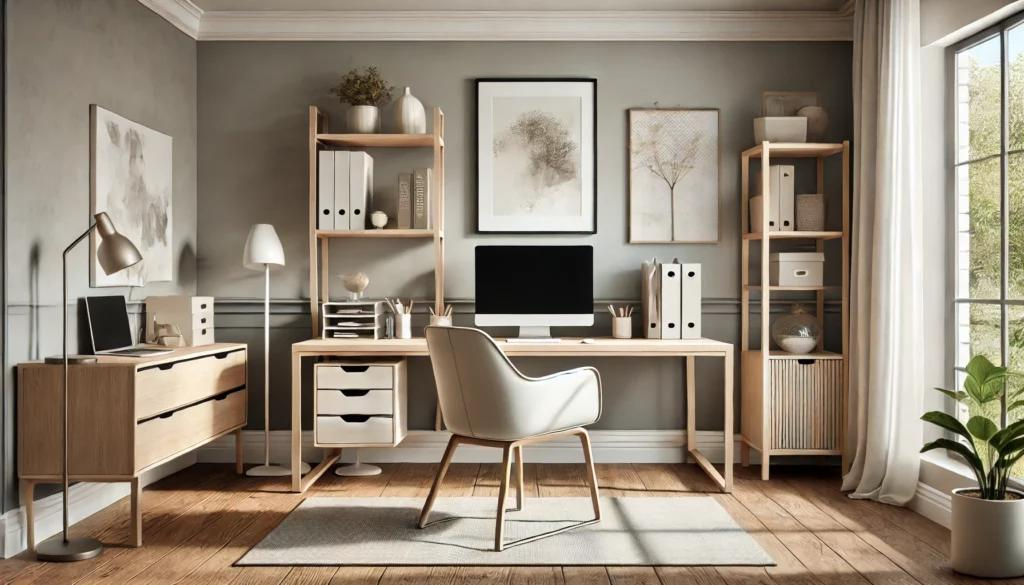
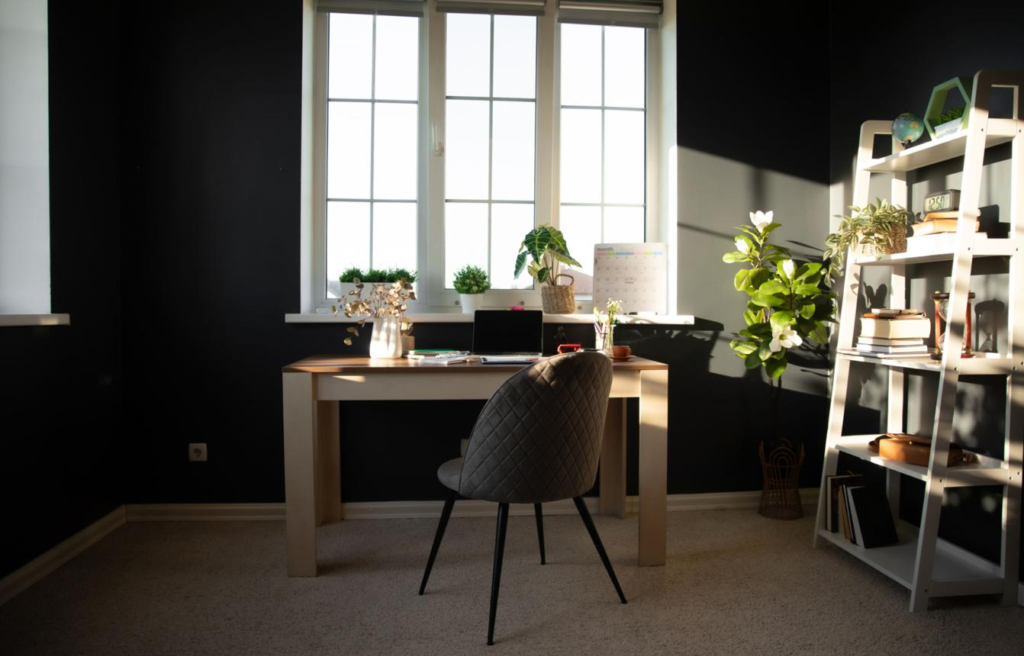
Creating a calm and productive home workspace sounds simple, but in real life it is something many people struggle with every day. A table, a chair, and a laptop may be enough to get started, but they are usually not enough to support long-term comfort, focus, and consistency. This is why some people feel clear and organized when they sit down to work, while others feel distracted, irritated, or tired almost immediately. The difference is often not motivation. It is the environment.
A home workspace affects much more than productivity. It influences mood, energy, patience, mental clarity, and even how people think about their responsibilities. If the space feels noisy, crowded, dark, or uncomfortable, work becomes heavier than it needs to be. Simple tasks start to feel annoying. Concentration becomes unstable. Even when the person wants to do well, the environment quietly works against them. On the other hand, a calm and practical setup can make everyday life feel more manageable. It does not turn work into something effortless, but it removes friction. That matters a lot.
The good news is that a better workspace does not require a large room, expensive furniture, or a picture-perfect setup. Many people imagine productivity as something connected to stylish home offices with large windows and carefully matched furniture. In reality, a useful workspace is built from simple choices made with intention. Light placement, desk position, clutter control, comfortable seating, and good routines often matter more than appearance. A small corner can work beautifully if it is arranged well. A large room can still feel stressful if it is poorly organized.
Another important point is that productivity and calm should not be treated as separate goals. Many people try to build a workspace that looks efficient but feels cold and exhausting. Others create a cozy space that feels pleasant but makes it difficult to focus. The best home workspaces do both. They support attention while still feeling livable. They make you want to sit down without making you feel trapped. That balance is what creates a setup that lasts.
This guide looks at how to create a calm and productive home workspace in a realistic way. It focuses on how the space feels and functions in daily life, not just how it looks in photos. If you work from home, study at home, manage personal projects, or simply want a better place to think and organize your day, the principles here can help you build a space that supports you consistently.
Choosing the Right Location


The first step in building a useful home workspace is choosing the right location. This decision shapes everything that comes after it. Many people start with furniture or accessories, but the location matters more because it determines noise level, lighting quality, privacy, and how easily the workspace blends into the rest of everyday life.
If possible, choose a place that feels naturally separate from areas associated with rest or entertainment. This does not mean you need a full office. It simply means the workspace should have a sense of purpose. A small section of a bedroom, living room, or hallway can work if it feels distinct enough that your brain starts to associate it with focused activity. When the workspace is mixed directly into a highly distracting environment, concentration becomes much harder to maintain.
Natural light is another major factor. A desk near a window often feels more open, stable, and energizing than a desk pushed into a dark corner. Daylight can improve alertness and reduce the feeling of isolation that sometimes appears during long work hours at home. However, the desk should not be placed in a way that creates harsh glare on the screen or shines directly into the eyes. Side lighting is usually more comfortable than light coming from directly behind the monitor or directly in front of it.
Noise also matters more than many people realize. Even low-level background noise can make work feel more tiring over time. Some people can adapt to sound better than others, but most people benefit from choosing the quietest realistic area in the home. If silence is not possible, what matters is predictability. A space with steady soft background sound is often easier to work in than a space with frequent interruptions, voices, or sudden noise changes.
Traffic flow should also be considered. A workspace placed in the middle of constant movement may seem fine at first, but repeated visual interruptions can quietly destroy focus. If people are walking past the desk all day, or if the desk is located between commonly used household zones, the space will feel mentally unstable even if it looks acceptable.
The best location is not necessarily the most beautiful one. It is the place where you can return each day and feel that your attention has somewhere to land. That sense of stability is more valuable than decoration.
Desk Setup and Surface Organization


A calm workspace needs a surface that feels clear and usable. The desk does not have to be large, but it should feel intentionally arranged. When the main work surface is crowded, attention gets fragmented. Visual clutter makes the brain keep noticing unnecessary things. That creates low-level mental fatigue even before real work begins.
A useful rule is to keep only the items you regularly use within immediate reach. For many people, this means a laptop or monitor, a notebook, one pen, a water bottle or mug, and perhaps a lamp. Other objects can be nearby, but they should not compete for space on the main surface. If every tool, charger, paper, decoration, and random personal item lives on the desk at the same time, the desk stops feeling like a tool and starts feeling like storage.
Layout matters as much as quantity. The objects you use most often should be placed where your hands naturally move. Small improvements here reduce friction. For example, if you always reach across cables to grab a notebook, or if your mouse space feels restricted by scattered objects, the space will slowly become irritating. People often ignore these tiny inconveniences, but they add up over time.
Storage helps, but it should be simple. A small tray, drawer, shelf, or box can prevent daily clutter from spreading across the desk. The goal is not to hide everything for appearance alone. The goal is to create a clear distinction between active work items and inactive items. When that distinction exists, beginning work feels easier because the desk is already prepared.
Cables deserve attention too. A messy cable situation can make even a good workspace feel chaotic. Loose cords create visual noise and can also make cleaning more annoying. Basic cable clips, sleeves, or routing behind the desk can make a noticeable difference. This is one of the least glamorous improvements, but it often has one of the biggest effects on how settled the space feels.
There is also value in leaving a little empty space on the desk. People sometimes try to optimize every inch, but complete density can feel oppressive. A bit of visual breathing room makes the workspace feel calmer and more intentional. Empty space is not wasted space. It is part of what makes the setup functional.
Lighting and Visual Comfort


Lighting has a strong effect on concentration, comfort, and mood. A workspace can be well organized and still feel unpleasant if the lighting is poor. Many people underestimate this because they adapt gradually to uncomfortable light conditions, but eye strain, headaches, and fatigue often grow out of lighting problems.
Natural light is usually the best foundation during the day. It tends to feel more balanced and less tiring than artificial light alone. It also makes a space feel more alive. However, natural light should be managed thoughtfully. Very strong sunlight can cause glare, screen reflections, and overheating, while a dim room with a bright screen can create a harsh contrast that strains the eyes. Curtains or blinds can help soften direct light without removing it entirely.
Artificial lighting becomes especially important in the evening or on darker days. A single overhead light is rarely enough for focused desk work. Overhead lighting often creates shadows, uneven brightness, or a flat feeling that does not support long sessions well. A desk lamp helps by bringing light closer to the actual work area. This makes reading, writing, and computer use more comfortable.
Color temperature also changes the emotional feel of the space. Cooler light often supports alertness and is useful for daytime work or intense focus sessions. Warmer light feels calmer and is often better in the evening, especially if the goal is gentle productivity rather than high stimulation. Adjustable lamps are helpful because they allow the space to shift with the time of day.
Visual comfort is not only about brightness. It is also about contrast, reflections, and screen placement. If the monitor is constantly catching glare from a window or lamp, your eyes stay busy adjusting. If the room is extremely dark except for a bright screen, the contrast becomes exhausting. Balance matters more than intensity.
A good lighting setup does not draw attention to itself. It quietly supports the eyes and helps the room feel usable for longer periods. When lighting is right, the space feels easier to stay in.
Seating, Posture, and Physical Comfort


Physical discomfort is one of the fastest ways to damage focus. A workspace can look beautiful and still fail if the body does not feel supported. When a chair is uncomfortable, a desk is too high or too low, or posture feels awkward, the mind keeps getting interrupted by the body. That interruption reduces patience, attention, and endurance.
The chair does not need to be luxurious, but it should support a stable sitting position. Feet should rest comfortably, shoulders should feel relatively relaxed, and the body should not need constant adjustment just to remain in place. Many people work for months in chairs that are technically usable but quietly exhausting. The problem is not always immediate pain. Sometimes it is a gradual sense of heaviness, irritation, or tension that makes long sessions much harder.
Desk height also matters. If the desk is too high, shoulders rise and wrists work at an awkward angle. If it is too low, the upper body may collapse forward. Small adjustments can make a big difference. Even basic solutions such as a seat cushion, footrest, monitor stand, or laptop riser can improve comfort considerably.
Screen position affects posture as well. If the screen sits too low, the head tilts downward for long periods. This puts unnecessary strain on the neck and upper back. Raising the screen closer to eye level often makes the entire setup feel calmer and more natural.
Movement should also be part of physical comfort. Even a good sitting position becomes uncomfortable if maintained too long. A calm and productive workspace supports small resets throughout the day. Standing up, stretching, or walking briefly every so often is not a disruption to productivity. It often protects productivity by preventing the body from becoming stiff and mentally sluggish.
Comfort is not a luxury in a workspace. It is part of the system that makes focus sustainable.
Reducing Clutter and Mental Noise


A calm workspace is not just physically organized. It also reduces mental noise. Clutter does not only take up space. It takes up attention. The brain keeps processing visible disorder, unfinished decisions, and random reminders. Even when you are not consciously thinking about those things, they can pull lightly on your focus.
This is why decluttering often creates such an immediate feeling of relief. The room has not changed your personality, but it has changed the amount of visual information your brain must filter. That matters, especially for tasks that require deep thinking or patience.
Reducing clutter does not mean removing personality from the space. A workspace can still feel warm and personal. The key is intention. A plant, a framed photo, or one meaningful object can make a space feel human without overwhelming it. The problem is not personality. The problem is accumulation without purpose.
Paper clutter is a common issue. Notes, receipts, printouts, and lists often multiply quietly until the desk starts feeling crowded. If paper is necessary, it helps to assign it a container or a clear system. The same goes for miscellaneous items that seem too small to matter individually but collectively create disorder.
Digital clutter can also affect the feeling of a workspace. Too many open tabs, notifications, app badges, and desktop icons create the same kind of mental scattering as physical mess. A calm workspace includes some level of digital order too. Closing unnecessary apps, silencing notifications, and clearing the screen environment can make a surprising difference.
Mental noise often comes from unfinished decisions. If the workspace contains many things you plan to organize later, repair later, read later, or move later, the space starts carrying invisible pressure. Finishing those small decisions or removing those items lightens the whole environment.
A productive room is not one where nothing exists. It is one where what exists makes sense.
Building Daily Rituals Around the Space


A workspace becomes more effective when it is supported by small rituals. The room itself matters, but routines are what keep it useful. Without rituals, even a well-designed setup slowly drifts into disorder. With them, the space remains ready and welcoming.
One helpful ritual is a daily opening routine. This can be very simple: open the curtains, place water on the desk, turn on the lamp if needed, review the day’s top priorities, and clear any leftover clutter before beginning. These actions signal to the mind that work is starting. Over time, that repeated signal reduces resistance.
An equally useful habit is the closing routine. At the end of the day, resetting the workspace for five minutes can make the next morning much easier. Put items back where they belong, throw away trash, close unnecessary tabs, and leave the desk in a usable state. This prevents the next session from starting with friction and visual stress.
Rituals also help separate work from the rest of life, which is especially important at home. Many people struggle because the boundaries between effort and rest become blurry. When the same room holds both work stress and personal relaxation, mental recovery becomes harder. Small transitions help create those boundaries. Lighting a lamp at the start of work and turning it off at the end, changing music, opening or closing a notebook, or simply sitting down with intention can all help.
The goal of a ritual is not to be dramatic. It is to make good behavior easier to repeat. When the space and the routine support each other, productivity becomes less dependent on willpower alone.
Buying Guide: What Actually Matters


If you are improving your home workspace gradually, it helps to know what to prioritize. Many people spend money on decorative or trendy items first, but the most useful improvements are usually practical.
Start with the essentials that directly affect comfort and clarity. A stable desk, a supportive chair, and decent lighting matter far more than matching accessories. If the body and eyes feel unsupported, no decorative improvement will solve the main problem.
After that, consider surface organization. A notebook stand, storage tray, drawer unit, or cable solution can create noticeable improvement without requiring a full redesign. These changes reduce friction and help maintain calm over time.
Then think about visual balance. This might mean a plant, one simple piece of art, a softer lamp, or a container that keeps daily items tidy. Small details can make the space feel more inviting, but they work best when the basics are already handled.
Avoid buying too many organizational products before understanding your actual habits. Some people buy boxes, shelves, and desk tools that look efficient but do not match what they really use. It is better to notice what repeatedly causes frustration, then solve that specific problem.
Buy for function first, then atmosphere. When function is handled well, atmosphere becomes much easier to create.
Final Thoughts
A calm and productive home workspace is not built all at once. It develops through a series of practical decisions that make everyday life easier. The purpose is not perfection. It is support. The room should help you think clearly, work steadily, and return the next day without dread.
What matters most is not having the biggest room, the most expensive furniture, or the most fashionable setup. What matters is whether the space helps you stay present. Can you sit down and begin? Can you stay there with reasonable comfort? Can the space recover easily after a difficult day? If the answer is yes, then the workspace is doing its job.
Calm is not laziness. Productivity is not tension. A good workspace proves that these two things can exist together. The best home setups do not pressure you constantly. They support you quietly. They lower the number of unnecessary decisions, reduce physical discomfort, and make attention feel more available.
That is why this kind of space has value beyond work. It influences mood, patience, routine, and the overall quality of daily life. It becomes a place where tasks feel manageable instead of overwhelming. Over time, that matters more than any trend.
A better workspace starts with paying attention. Notice what drains you, what interrupts you, and what keeps repeating. Then improve one thing at a time. Real usefulness often grows through small adjustments, not dramatic change. And once those adjustments begin to support your day, the entire room starts to feel different.
답글 남기기